Mayors in England to be given power to impose tourist tax with ‘no cap’
-
by
Raphael Afesomu
- No Comments on Mayors in England to be given power to impose tourist tax with ‘no cap’
9th September, 2026 | News
Executive Summary: UK News & Politics (10 September 2026)
1. Government Unveils Uncapped “Tourist Tax” Powers for Regional Mayors
The UK government is set to formally announce plans granting regional mayors in England the authority to impose a new local visitor levy on both domestic and international overnight stays.
                    PROPOSED TOURIST TAX LEVY
                               │
       ┌───────────────────────┴───────────────────────┐
       ▼                                               ▼
Structure & Implementation                     Industry Reaction & Concerns
• Set as a percentage of hotel cost            • UKHospitality warns 33,000 jobs
  (protects budget accommodation)                could be lost nationwide.
• Uncapped nationally; level set by            • 5% rate adds ~£100+ to average
  local mayors who retain revenue.               family holiday costs.
• Expected max limit of 5% in London.         • Concerns over high 20% VAT baseline
                                                 compared to European competitors.
- Policy Design: The levy will be calculated as a percentage of accommodation rates rather than a flat per-night fee to protect budget holidaymakers. Local leaders will decide whether to implement the tax and determine how to reinvest the funds into local services.
- Government Stance: Downing Street and Treasury sources emphasized that while central government provides the framework, decisions remain optional for local leaders and voters, noting that mayors will naturally balance rates to remain competitive. Reports indicate London intends to cap its potential levy at 5%.
- Sector Backlash: Trade body UKHospitality cited independent analysis from Oxford Economics warning that the tax could cause up to 33,000 job losses across the sector. Industry leaders pointed out that while European destinations often use tourist taxes, they typically maintain lower hospitality VAT rates (around 10%) compared to the UK’s 20%.
2. Kemi Badenoch Defends Conservative Economic & Welfare Policies
In a media appearance with Sky News, Conservative Leader Kemi Badenoch responded to recent government critiques and outlined her party’s position on key economic issues:
- Opposition to Tourism Taxes: Badenoch urged all local leaders—including Conservative mayors like Tees Valley’s Ben Houchen—to reject the proposed tourist tax, arguing that additional taxation stifles job creation and deters international visitors.
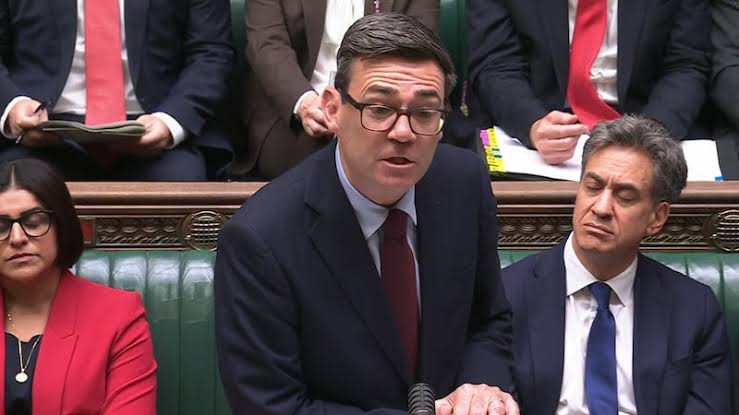
- Housing Benefit Cut Proposals: Addressing criticisms from Prime Minister Andy Burnham regarding proposed £4bn cuts to housing benefits to fund national defense, Badenoch rejected claims that the policy would cause homelessness. She stated that local housing allowances have been capped under previous governments and argued that existing tenants would remain protected while encouraging beneficiaries into employment.
- Artificial Intelligence Strategy: Commenting on recent warnings from tech experts regarding extreme AI risks, Badenoch argued against halting UK development. She warned that slowing Western AI progress would yield technological dominance to China, stressing the need for strong national AI capabilities alongside regulatory oversight.
Key Statements & Official Responses
| Subject | Source | Core Argument / Position |
| Tourist Tax Impact | Allen Simpson (UKHospitality) | “In a week when the government has talked about growth… it is set to announce yet another tax that will do the absolute opposite.” |
| Local Devolution | Government Source | Central framework provided, but implementation remains optional for local leaders and their communities. |
| Welfare Reform | Kemi Badenoch (Tory Leader) | “We’re not making people homeless… the assessment is that the best way for people to have homes is to be in good jobs.” |