Ukraine Peace Talks Resume As Russia, Kyiv Show ‘Some Flexibility,’ US Officials Say
-
by
Raphael Afesomu
- No Comments on Ukraine Peace Talks Resume As Russia, Kyiv Show ‘Some Flexibility,’ US Officials Say
10th November, 2026 | News
US Officials Say Russia and Ukraine Show Flexibility as Trilateral Peace Talks Resume in Abu Dhabi
Trilateral peace negotiations involving Ukraine, Russia, and the United States have resumed in Abu Dhabi, with US officials reporting that both Moscow and Kyiv have privately demonstrated flexibility regarding territorial control in eastern Ukraine.
The high-level discussions center on the contested Donetsk region—largely occupied by Russian forces—and the postwar security architecture required to ensure lasting stability between the two nations.
A senior US official noted that while neither side has publicly withdrawn its baseline demands, both parties have shown “a little bit of flexibility, privately” concerning territorial control. However, officials emphasized that territorial issues cannot be resolved independently of comprehensive postwar security arrangements.
Postwar Security and the Role of Europe
The American delegation, featuring US special envoy Steve Witkoff and President Donald Trump’s son-in-law Jared Kushner, stated that the talks are designed to encourage all parties to plan for the postwar landscape.
Kushner shared on X (formerly Twitter) that the US is approaching the complex negotiations “with determination and realism” to build momentum for future agreements.
Proposed security frameworks under consideration include crisis communication hotlines, reciprocal tension-reduction measures, and the potential reactivation of the NATO-Russia Council. For Ukraine, critical security guarantees involve robust defense commitments from Western allies. Conversely, Russia continues to seek a reduced NATO footprint in Eastern Europe.
European leaders, including French Foreign Minister Jean-Noël Barrot and European Commission President Ursula von der Leyen, have strongly advocated for European inclusion in the talks. Responding to European concerns over exclusion, US officials indicated plans to expand the format into a multilateral process incorporating European powers, pending Russian agreement.
Differing Perspectives and Ongoing Conflict
The Abu Dhabi talks follow a previous round of negotiations held in Geneva in February, which concluded without a breakthrough. Diplomatic efforts had temporarily slowed following regional tensions stemming from the US-Israel conflict with Iran.
Despite the renewed diplomatic push, skepticism remains high. Ukrainian lawmaker Oleksandr Merezhko voiced concerns that the Trump administration might pursue a rushed agreement at Ukraine’s expense, arguing that Russian President Vladimir Putin lacks incentive to negotiate seriously while his military machine remains operational.
Meanwhile, Russian military strikes targeting Ukraine’s energy infrastructure and urban centers continue, with Kyiv viewing the bombardments as an attempt to coerce concessions on Moscow’s terms.
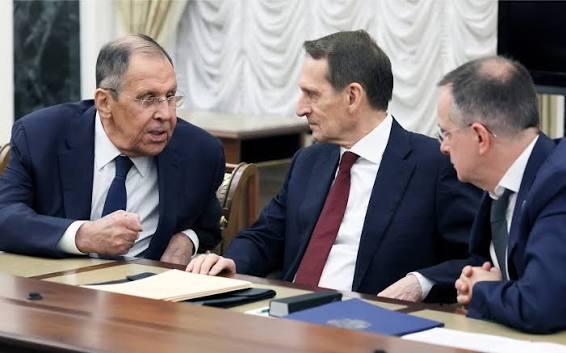
Delegations participating in the Abu Dhabi talks include senior officials from both nations, featuring Russian presidential aide Vladimir Medinsky and Ukrainian intelligence and parliamentary leaders such as Rustem Umerov, Kyrylo Budanov, and Davyd Arakhamiya.