All four UK governments ‘failed to appreciate’ scale of COVID pandemic threat – inquiry finds
-
by
Raphael Afesomu
- No Comments on All four UK governments ‘failed to appreciate’ scale of COVID pandemic threat – inquiry finds
Damning COVID Inquiry Report Finds ‘Toxic and Chaotic Culture’ at Heart of UK Government
Thursday, 20 November 2025 — UK
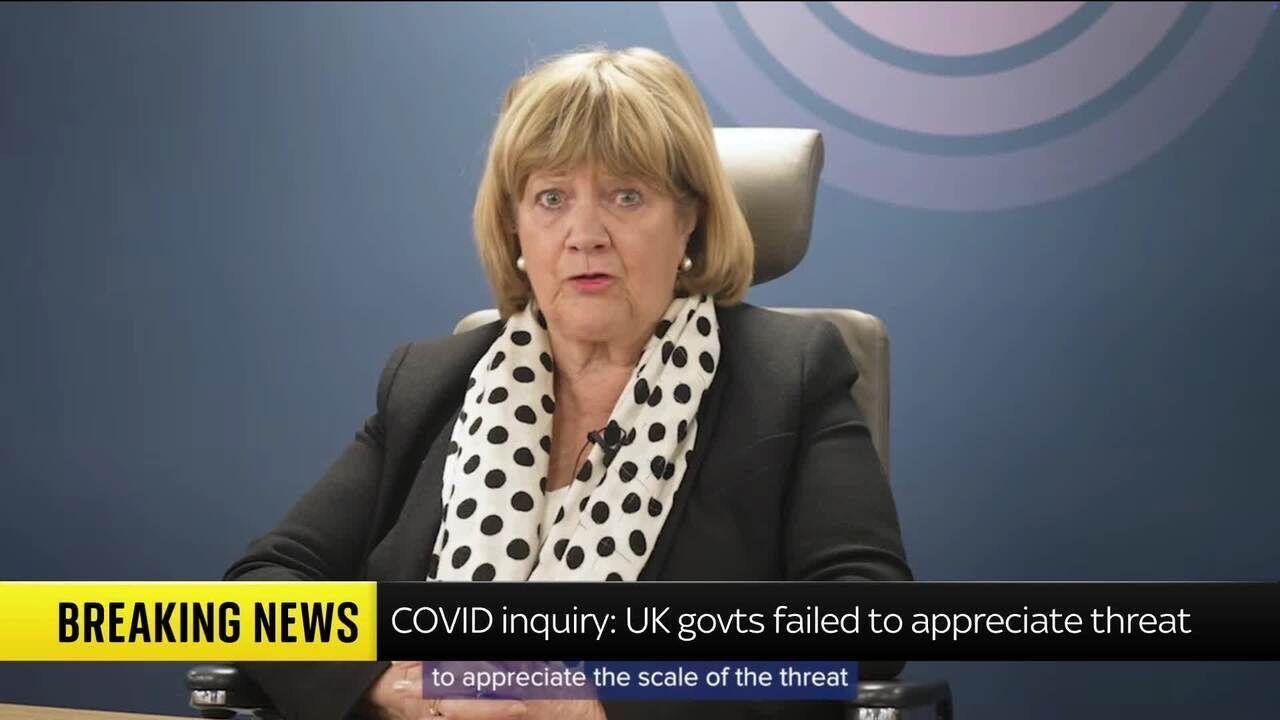
A landmark report released on Thursday has concluded that all four UK governments failed to grasp the scale and urgency of the threat posed by COVID-19 during the early stages of the pandemic. The findings, published by the UK COVID-19 Inquiry and led by Baroness Heather Hallett, describe the national response as “too little, too late.”
February 2020: ‘A Lost Month’
Lady Hallett said political leaders were forced to make difficult decisions with no perfect outcomes, but nonetheless failed to act at the speed required. She labelled February 2020 a “lost month”, during which the virus spread rapidly while the government underestimated the crisis.
The report argues that tens of thousands of lives could have been saved if decisive action had been taken earlier. Modelling suggests 23,000 fewer deaths in the first wave alone if a lockdown had been introduced one week sooner.
Chaotic Decision-Making and Misleading Assurances
One of the most damning findings highlights a “toxic and chaotic culture” within Boris Johnson’s government. Evidence presented to the inquiry revealed destabilising behaviour from key individuals, including former No. 10 adviser Dominic Cummings.
The report states that Boris Johnson failed to confront—and at times encouraged—this dysfunction, allowing aggressive voices to dominate while shutting out others, particularly women. This environment, it says, severely undermined effective decision-making at the height of the crisis.
The Department of Health and Social Care was also criticised for giving “misleading assurances” that the UK was well prepared for a pandemic—claims that the inquiry found to be unfounded.
Early Measures Too Slow, Later Measures Too Risky
The government imposed its first advisory measures—self-isolation, household quarantine, and social distancing—on 16 March 2020, followed by the first national lockdown on 23 March.
According to the report, had advisory measures been introduced earlier, the mandatory lockdown might not have been necessary at all.
Further criticism was levelled at the UK government for taking a “high-risk decision” to significantly ease restrictions in July 2020 despite scientific concerns about the potential public health consequences.
Repetition of Mistakes ‘Inexcusable’
Lady Hallett said that none of the UK’s governments were adequately prepared for the challenges posed by lockdowns. Many of the same mistakes were repeated later in 2020:
“Each government had ample warning that the virus was increasing and would continue to rise into the winter. Yet again, there was a failure to take timely and effective action.”
She stressed that the inquiry does not advocate for national lockdowns but insists they could have been avoided had early action been decisive.
Families Want Accountability
Sky News health correspondent Ashish Joshi reported that the findings address criticisms that the COVID Inquiry has been a costly, unnecessary exercise. Instead, the report highlights how earlier action could have saved thousands of lives and exposes the dysfunction at the centre of government.
Grieving families, he noted, want answers, accountability, and transparency—but the inquiry’s remit does not allow it to assign blame or recommend prosecutions.
Nineteen Key Recommendations
Lady Hallett’s report includes 19 major recommendations designed to improve crisis management, strengthen pandemic preparedness, and prevent the political and administrative failures that marked 2020.