Exclusive: UK suspends some intelligence sharing with US over boat strike concerns in major break
-
by
Raphael Afesomu
- No Comments on Exclusive: UK suspends some intelligence sharing with US over boat strike concerns in major break
The United Kingdom has stopped sharing intelligence with the United States on suspected drug-trafficking vessels in the Caribbean, citing concerns that the information could be used to support what it considers illegal U.S. military strikes, sources familiar with the matter told CNN.
The move represents a major departure from the UK’s long-standing cooperation with its closest ally and intelligence partner, highlighting deepening doubts about the legality of Washington’s ongoing military operations in Latin America.
For years, Britain—through its territories and intelligence facilities in the Caribbean—has assisted the U.S. in identifying vessels suspected of smuggling drugs, enabling the U.S. Coast Guard to intercept, board, and seize narcotics from them. The intelligence typically flowed to the Joint Interagency Task Force South, a multinational unit based in Florida dedicated to combating illicit drug trafficking.
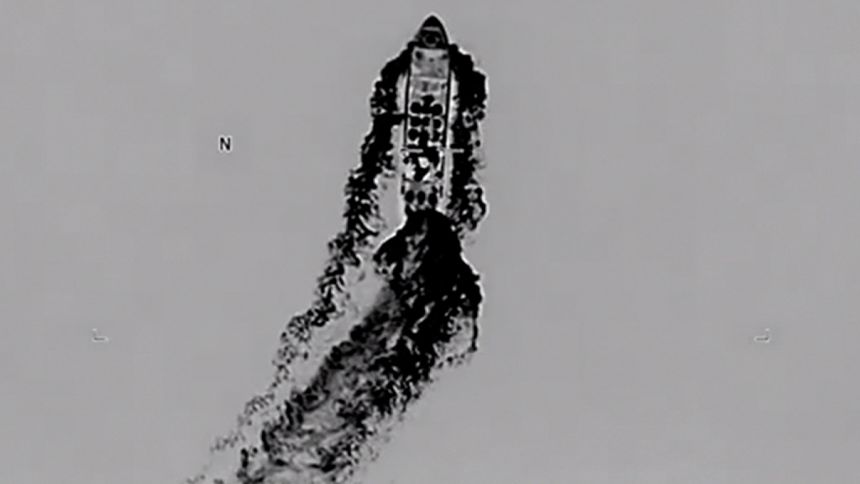
However, after the U.S. began launching lethal strikes on suspected drug boats in September, British officials became alarmed that their intelligence might be used to select targets for those attacks. Believing the strikes—which have reportedly killed 76 people—violate international law, the UK suspended its intelligence sharing over a month ago, the sources said.
The United Nations High Commissioner for Human Rights, Volker Türk, has condemned the U.S. operations as breaches of international law and examples of “extrajudicial killings,” a view the UK reportedly shares.
Neither the British embassy in Washington nor the White House commented on the matter. A Pentagon spokesperson told CNN that the Department of Defense “doesn’t talk about intelligence matters.”
Before September, counter-narcotics operations were primarily law enforcement actions led by the U.S. Coast Guard, treating traffickers as criminals with rights to due process—an approach Britain had supported.
The Trump administration, however, has claimed that lethal force is justified, arguing that drug traffickers are “enemy combatants” posing an “imminent threat” to the United States. A classified legal opinion from the Justice Department’s Office of Legal Counsel reportedly backs that stance, and several cartels have been designated as foreign terrorist organizations. The White House maintains that its actions “fully comply with the Law of Armed Conflict.”
Legal experts disagree, noting that drug traffickers are civilians under international law and that the terrorist designation does not authorize lethal force. CNN reports that some boats struck by the U.S. were stationary or retreating at the time, undermining claims of an immediate threat.
Within the Pentagon, the campaign has sparked controversy. Adm. Alvin Holsey, commander of U.S. Southern Command, reportedly offered to resign after questioning the legality of the strikes during a meeting with senior defense officials. He is expected to leave his post in December, just a year after assuming command.
Military lawyers within the Department of Defense have also raised concerns about the strikes’ legality, though Secretary of Defense Pete Hegseth’s spokesperson has denied any internal dissent.
Canada, another close U.S. ally, has similarly distanced itself from the military operations. While continuing its long-running partnership with the U.S. Coast Guard under Operation Caribbean, Ottawa has made it clear that its intelligence must not be used to support lethal targeting. A spokesperson for Canada’s defense department emphasized that its activities under Operation Caribbean are “separate and distinct” from the U.S. military’s strikes on suspected drug vessels.
Source: CNN NEWS