Families of women who died after violence demand reform
 Raphael Afesomu
Bereaved families of Black, minority, and migrant women who died after suffering violence and abuse have urged the prime minister to take decisive action to end femicide in the UK.
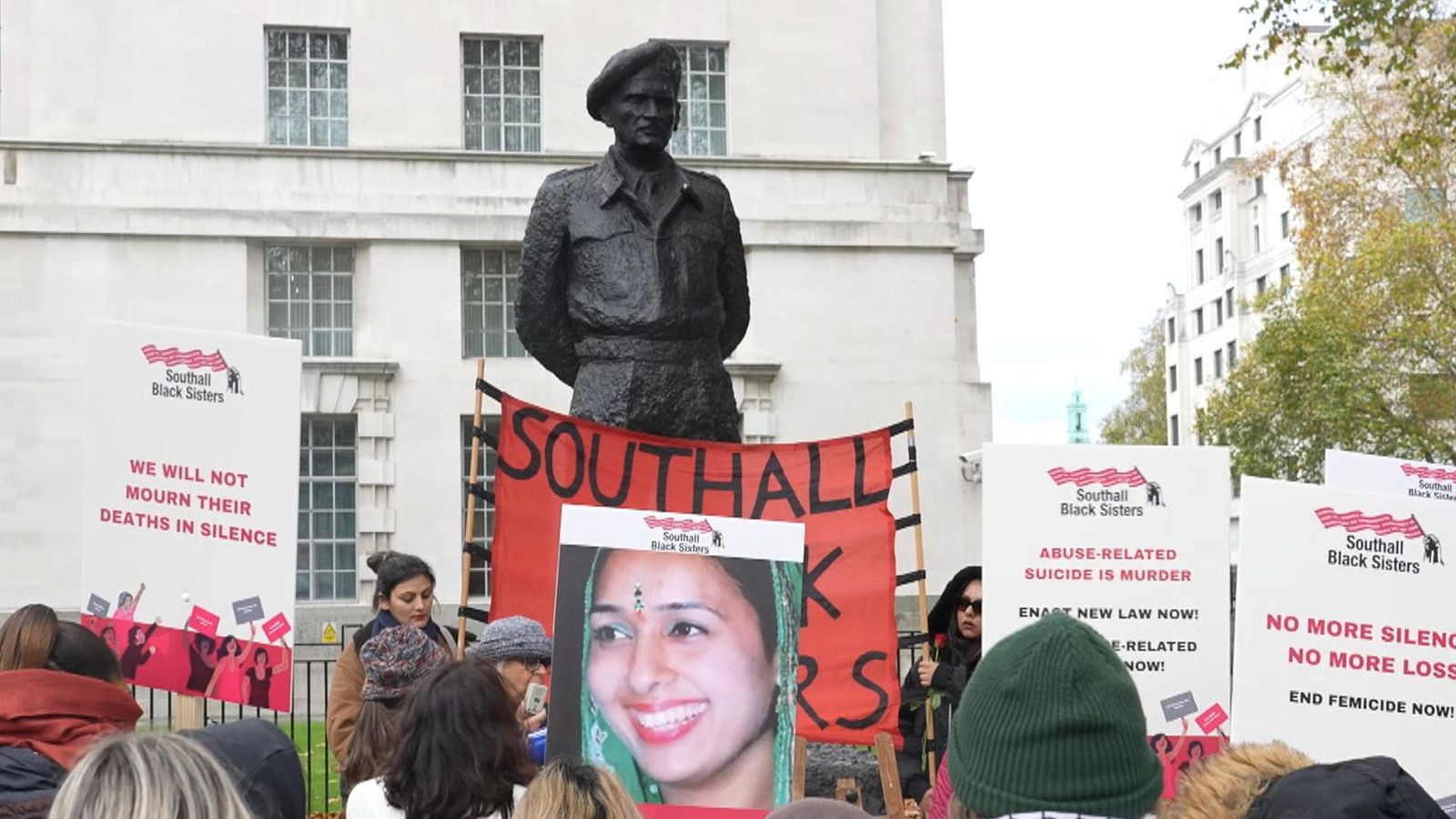
At a Downing Street vigil marking the International Day for the Elimination of Violence Against Women, the group called for urgent reforms to policing and sentencing, citing “systemic failures” that continue to put vulnerable women at risk. The event was led by campaign organisation Southall Black Sisters.
Among the families present was Yasmin Javed, whose daughter Fawziyah Javed was murdered after being pushed by her husband from Arthur’s Seat in Edinburgh. Speaking to Sky News, she said her daughter’s repeated reports of abuse were ignored by authorities.
“It fell on deaf ears,” she said. Fawziyah, 31 and pregnant at the time, was killed just days before she planned to leave her husband. “We’ve had our hearts ripped into millions of pieces. It’s not getting any easier — it’s getting more and more difficult.”
Fawziyah’s husband, Kashif Anwar, was convicted of her murder and jailed in 2023 for a minimum of 20 years.
Tuesday’s vigil highlighted several legislative amendments championed by the families, including Banaz’s Law — named after 20-year-old Banaz Mahmod, who was brutally assaulted, strangled, and stuffed into a suitcase by relatives acting on her father’s orders.
The proposed amendment seeks to explicitly recognise “honour-based” abuse as an aggravating factor in sentencing. The families are also advocating for courts to impose murder-equivalent sentences when domestic or “honour-based” abuse leads to self-harm or suicide, and for the government to guarantee equal access to safety and support for all women, regardless of immigration status.
Bekhal Mahmod, Banaz’s sister, who testified against family members and now lives in witness protection, said little progress has been made nearly 20 years after her sister’s death.
“Banaz was murdered in 2006, and we’re almost in 2026 — that’s 20 years later. Not much has changed, and it’s very, very disappointing,” she said. “What happened to Banaz has happened, but what we can do is prevent it from happening to others. I don’t understand why much more hasn’t been done to improve the situation.”