‘I didn’t know where to turn’: Why ethnic minorities with gambling addictions struggle to get help
-
by
Raphael Afesomu
- No Comments on ‘I didn’t know where to turn’: Why ethnic minorities with gambling addictions struggle to get help
December 10, 2025
News
Research has long shown that people from ethnic minority backgrounds are less likely to gamble than their white counterparts—but are significantly more likely to experience gambling-related harm and far less likely to seek help.
A dark morning and a turning point
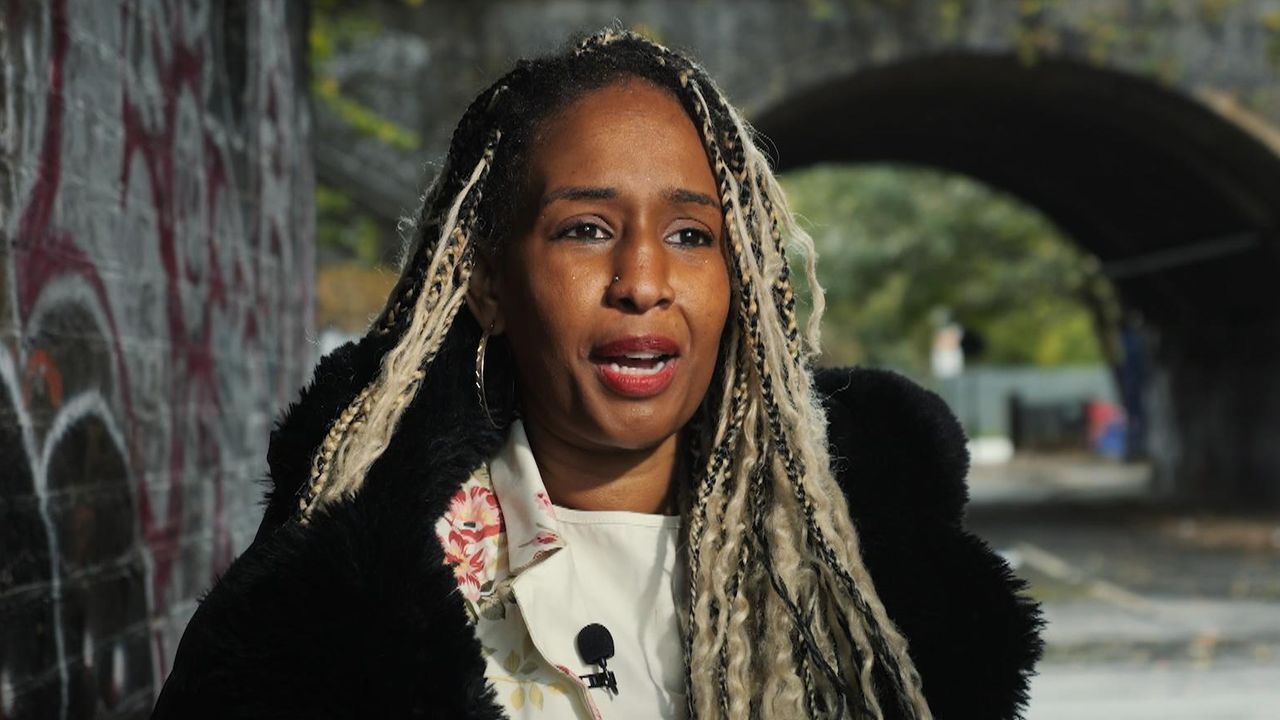
On a cold December morning two years ago, Kiki Marriott left her flat at 5am and began walking toward the station.
“I was numb at that point,” she recalls. “I was just so done with trying to survive… feeling extremely lonely and isolated, and I didn’t know where to turn.”
Caught in a cycle of gambling addiction and cocaine use, Kiki sat waiting for the first train, contemplating ending her life.
“I was thinking about my daughter, the mistakes I’ve made, and that I didn’t want to live this life anymore.”
That train arrived late—and in those extra moments, she changed her mind. Instead of taking her life, she decided to seek help.
‘Nobody looked like me’
But what she discovered surprised her.
“When I started my recovery, I realised there wasn’t anybody who looked like me or sounded like me,” she says.
“It made me think—surely I can’t be the only Black woman suffering with a gambling or cocaine addiction.”
Racial disparities in gambling harm
New YouGov figures shared exclusively with Sky News underscore the racial disparities Kiki sensed.
The survey of 4,000 adults, carried out for GamCare, found:
-
Two-thirds of ethnic minority gamblers spent more than they intended—twice the rate of white respondents.
-
They were more than twice as likely to hide their gambling.
-
And nearly three times more likely to feel guilt.
For Kiki, the statistics make sense.
“In the Black community, what goes on indoors stays behind closed doors,” she explains. “You keep your mouth shut and handle your business yourself.”
She also says gambling addiction didn’t fit the image she associated with gambling.
“I thought it was an old white man’s thing—going to the bookies, having a drink, placing a bet. I didn’t think it could be someone like me.”
Beyond stigma: The impact of racism in services
Dr. Dharmi Kapadia, senior sociology lecturer at Manchester University, says cultural silence is only one part of the story.
“These explanations of stigma have become dominant,” she says. “But what’s more important is that people don’t want to seek help because of previous racist treatment from statutory services, even during something as simple as a GP visit.”
‘I needed to change’
Kiki’s addiction spiraled after years of trauma, including childhood sexual abuse and a devastating family event that triggered her shift from scratch cards to online slots.
Soon she was gambling constantly—spending her benefits on 10p and 20p spins, borrowing from friends, and neglecting basic needs. When her daughter moved out at 15, Kiki’s addiction worsened.
“I just lived and breathed in my bedroom. It was very lonely.”
On the day she reached the station, she instead called the National Gambling Helpline.
“For the first time in my life, I was completely honest—about the lies, the manipulation, the secrecy. I wanted to change. I needed to change.”
‘Where are the women?’
After attending rehab and starting therapy, Kiki received a call from Lisa Walker—another woman who understood addiction intimately.
Lisa had once won £127,000 playing poker, only to lose everything and end up homeless with her children. When she sought help through Gamblers Anonymous, she found herself one of only two women in a room of 35 men.
“I thought—where are all the women? I can’t be the only one,” Lisa says.
Her experience led her to launch a support network for women in 2022. She has helped nearly 250 women—but only four were from ethnic minority backgrounds.
Kiki was one of them.
Lisa worries that the shift to online gambling makes addiction easier to hide.
“On the train this morning, 90% of people were on their phones. You don’t know if they’re gambling. I could sit here and sign up for 50 online casinos in minutes. It’s 24-hour access—there’s no getting away from it.”
Rebuilding a life—and helping others rebuild theirs
Today, Kiki runs her own online peer mentoring groups from her home in Woolwich—the same place where she once couldn’t even enter the bathroom without gambling on her phone.
“Being understood by someone who looks like you, talks like you, shares your cultural background—it’s incredibly important,” she says.
She knows recovery will be lifelong, but she has found purpose in helping others.
“My focus is to empower people to choose themselves—to show them there is light after darkness. You don’t have to remain a victim of your circumstances.”
Her daughter, now 19, has returned to her life.
“We’ve got an amazing relationship today. I’ve taken full accountability. She’s extremely proud of where I am now.”
Kiki says she once believed she had only two paths: death or transformation.
She chose transformation—and now works tirelessly to help others escape the cycle that nearly destroyed her.