‘It cost Molly her life’: Is this one of the UK’s biggest hospital scandals?
-
by
Raphael Afesomu
- No Comments on ‘It cost Molly her life’: Is this one of the UK’s biggest hospital scandals?
Child Deaths Linked to Water Safety Failures at Glasgow Super Hospital
Friday, January 23, 2026
Serious safety failings at Glasgow’s Queen Elizabeth University Hospital (QEUH) may have contributed to the deaths and illnesses of vulnerable children, according to families, whistleblowers, and investigators.
The near £1bn hospital, which opened in 2015, began operating just days after an internal report—later leaked by whistleblowers—warned of “high risks” associated with the water supply. Despite those warnings, the hospital opened as planned.
In the years that followed, several children died and more than 80 patients fell ill, many from bacterial infections. NHS Greater Glasgow and Clyde (NHSGGC) has now acknowledged that some of the infections were probably linked to the hospital’s water system, reversing years of denial.
Scottish police and prosecutors have since named NHSGGC as a suspect in a corporate homicide investigation. Health leaders have issued a “full and unreserved apology” for the handling of the crisis.
‘They failed to protect her’
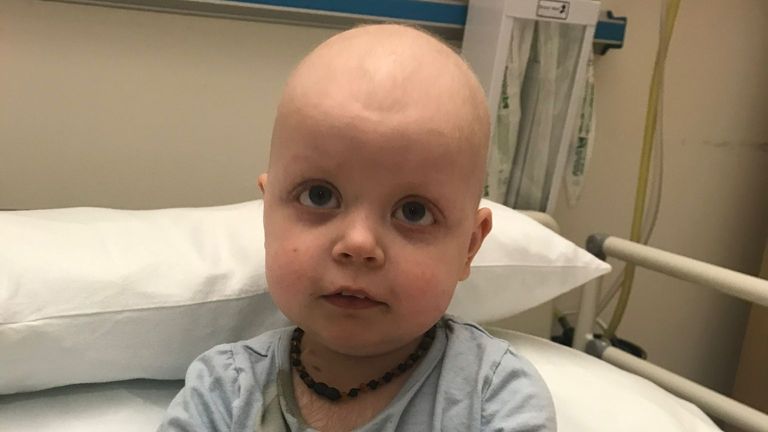
One of the families at the centre of the case is that of Molly Cuddihy, who was diagnosed with cancer at 15 and later contracted a severe infection believed to be linked to environmental sources such as water or air. She died in 2025.
Her father, Professor John Cuddihy, said the infection had a devastating impact on her quality of life and should never have occurred.
“Molly’s life was cut short because of corporate failings within an institution that was there to protect her,” he said. “That is very hard to forgive.”
Prosecutors have confirmed they are separately examining Molly’s death.
Another child’s death under investigation
The death of 10-year-old Milly Main in 2017—after she contracted an infection found in hospital water while recovering from leukaemia—became a key trigger for the judge-led public inquiry. Her mother has said she believes her daughter was murdered. Detectives are investigating her case as part of the wider probe.
Whistleblower warns safety concerns remain
Sky News spoke to Dr Christine Peters, a consultant microbiologist who worked at QEUH when it opened and raised early concerns about infection risks.
She said she was alarmed by what she described as inadequate validation of the building and warned of the potential for fatal infections. Dr Peters said she was mocked, intimidated, and ignored by senior NHS leaders for speaking out—an admission later acknowledged by NHSGGC.
When asked whether harm could have been avoided if whistleblowers were listened to, she said: “That is my belief. It’s an awful thought.”
Dr Peters also questioned claims that the hospital is fully safe today, saying she has not seen sufficient evidence to reassure her even a decade on.
Families describe culture of denial
Charmaine Lacock, whose daughter Paige survived leukaemia but lives with long-term effects of an infection contracted during treatment, said families were met with denial when they sought answers.
“We were fighting cancer and a life-threatening infection at the same time,” she said. “We should have been able to focus on just one battle.”
Another parent, Karen Stirrat, alleged US doctors later told her that medication prescribed to her son in Scotland was due to contamination concerns rather than cancer treatment, reinforcing her belief that there was a cover-up to avoid prosecution.
NHS response and political pressure
NHSGGC says the hospital is safe, citing extensive repairs, monitoring, and governance reforms. It has denied any cover-up, while acknowledging failures in culture and communication.
Political pressure continues to mount, with Scottish Labour questioning whether the SNP-led government pushed for the hospital to open before it was ready in 2015—a claim rejected by First Minister John Swinney.
Investigations and legal proceedings are ongoing.