UK In Talks With European Allies To Station Troops In Greenland Amid Trump’s Annexation Push
-
by
Raphael Afesomu
- No Comments on UK In Talks With European Allies To Station Troops In Greenland Amid Trump’s Annexation Push
January 11, 2026
UK Holds Talks with European Allies on Possible NATO Force for Greenland
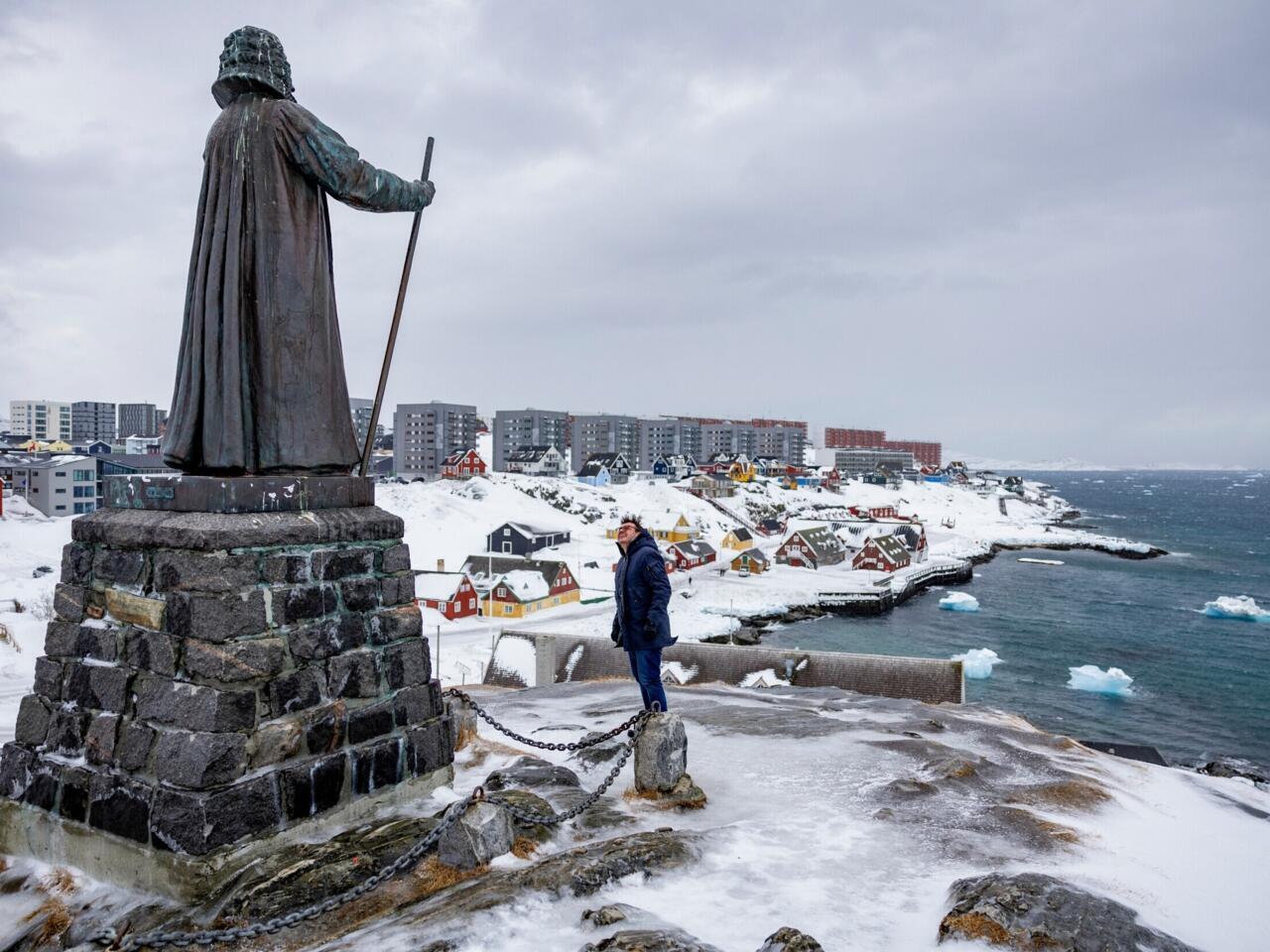
The United Kingdom has begun discussions with key European allies on the possible deployment of a multinational military force to Greenland, a move aimed at deterring former US president Donald Trump from pursuing his long-stated ambition to bring the Arctic island under American control.
According to a report by The Standard, senior defence officials are drawing up early proposals for a potential NATO-led operation that could involve the deployment of troops, naval assets and aircraft to secure Greenland, a self-governing territory within the Kingdom of Denmark.
The report said the initiative is focused on reinforcing Arctic security against perceived threats from Russia and China, while also easing tensions generated by Trump’s repeated rhetoric over Greenland.
British officials are said to have recently consulted counterparts in France and Germany as discussions around the proposal begin to take shape. Although still at a preliminary stage, the talks are intended to offer Trump a political off-ramp by demonstrating that European allies are prepared to shoulder a greater share of the security burden in the High North.
European governments believe a visible increase in allied military presence could allow Trump to claim a diplomatic win, arguing that US partners are stepping up their commitments, without resorting to a destabilising attempt to annex Greenland.
Trump has repeatedly refused to rule out the use of force to secure the vast Arctic territory, insisting the United States cannot allow Russia or China to gain influence so close to North America.
“We’re not going to have Russia or China as a neighbour,” he has said, while also highlighting Greenland’s strategic resources, including rare earth minerals, copper and nickel.
UK government sources say Prime Minister Sir Keir Starmer views the evolving security situation in the Arctic with serious concern and supports collective allied action. One official noted that Britain shares Trump’s view that growing Russian activity in the region must be contained, adding that NATO discussions on strengthening Arctic defences are ongoing.
“The UK is working closely with allies to strengthen deterrence and defence in the Arctic,” the source said, stressing that any future operation would align with national interests and NATO’s collective security commitments.
Trump’s past comments have included suggestions of offering financial incentives to Greenland’s roughly 30,000 residents to align with the US, while warning that Washington would act “whether they like it or not.” Such remarks have unsettled NATO allies and raised fears of a serious rift within the 75-year-old alliance.
In response, European nations are exploring ways to avert a crisis, including the possibility of stationing allied forces on the island. The idea was reportedly raised at a recent NATO meeting in Brussels, where military planners were tasked with examining options to enhance Arctic security. These range from a full deployment to expanded military exercises, improved intelligence sharing and redirected defence spending.
Any mission would likely operate under NATO command and remain separate from existing deployments in Eastern Europe. British defence officials say UK forces are already preparing for a broader Arctic role, with Royal Marines and Royal Navy units taking part in cold-weather exercises in Norway, Finland and Sweden.
Meanwhile, the European Union is reportedly considering possible countermeasures should Trump reject a NATO-backed approach. These could include sanctions targeting major US technology companies and financial institutions, while more extreme options under discussion include restricting US access to European military bases.
Diplomatic efforts are continuing, with US Secretary of State Marco Rubio expected to meet Danish officials next week. European leaders hope the talks could moderate Trump’s position. Analysts suggest his hardline stance may be a negotiating tactic rather than a firm plan to seize the territory.
Justin Crump, head of risk consultancy Sibylline, said Trump appeared to be testing European unity over Greenland, adding that a NATO deployment could reveal whether security concerns are genuinely driving his interest.
The debate comes amid renewed warnings over Britain’s own military preparedness. Former RAF chief Air Marshal Edward Stringer has cautioned that the UK’s ability to sustain combat operations in the Arctic is overstated, warning that the gap between perceived strength and actual capability has grown dangerously wide.
In a recent report, he argued that NATO members can no longer rely on US military dominance and must confront uncomfortable realities about their own defences.
A Foreign Office spokesperson reaffirmed that the UK remains committed to working with NATO partners to strengthen deterrence and defence in the Arctic region.