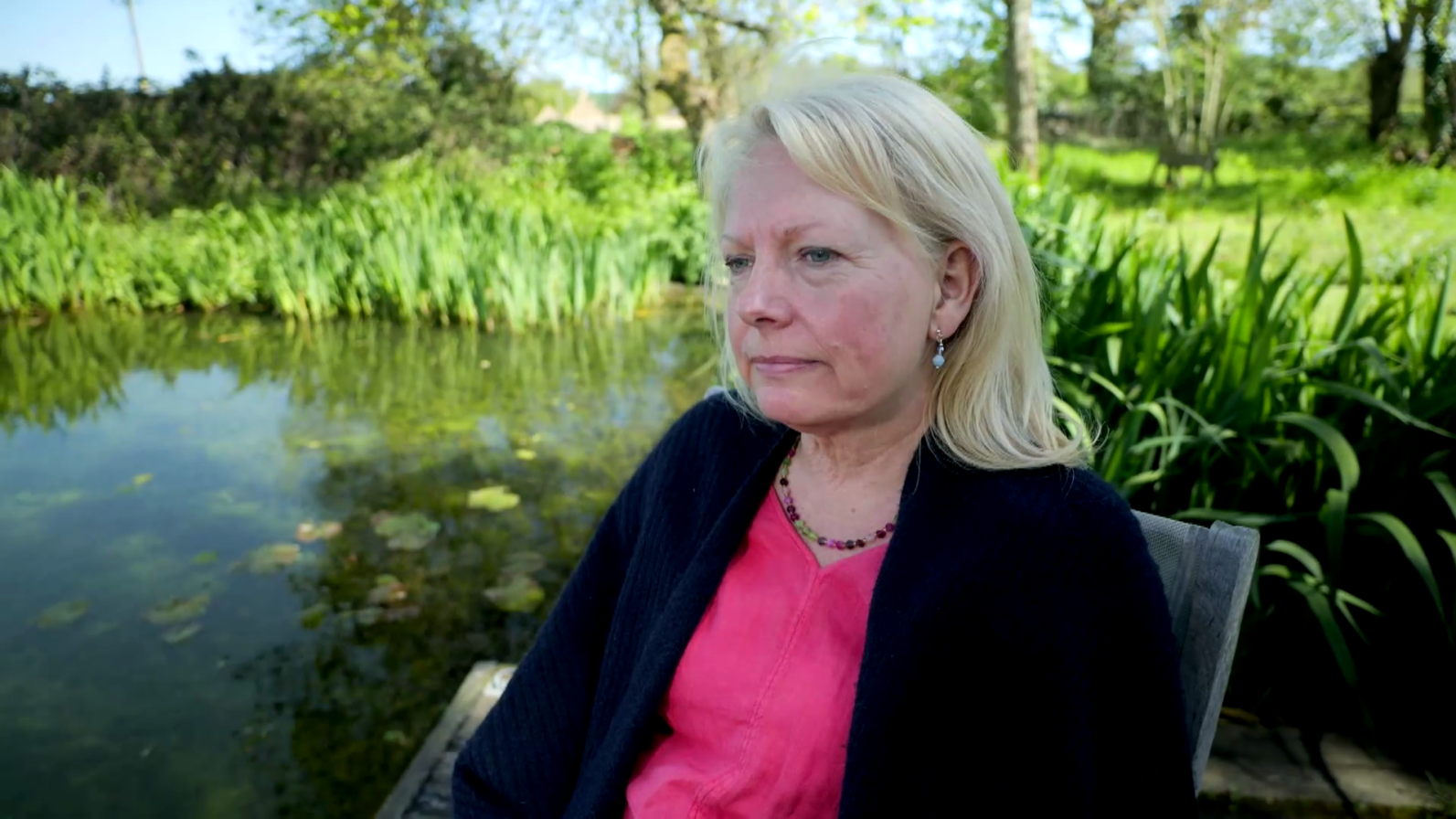
Before deciding to leave the UK, there was a court hearing where everything changed for Laura.
-
by
Raphael Afesomu
- No Comments on Before deciding to leave the UK, there was a court hearing where everything changed for Laura.
21st September, 2026 | News
UK Family Courts Face Scrutiny Over Domestic Abuse Cases and Mothers Fleeing Abroad
UK family courts are facing renewed scrutiny over how domestic abuse allegations are handled, following an investigation into women who say they felt ignored, silenced or penalised while trying to protect themselves and their children.
The investigation examined the experiences of several women who described lengthy and difficult battles in the family court system. Some said concerns about domestic abuse were minimised during custody proceedings, while others said they feared losing access to their children if they raised allegations against former partners.
One case involved Laura, who alleged that her former partner raped and abused her. After a prolonged custody dispute, she took her son to Northern Cyprus, saying she believed she was protecting him.
Laura was later extradited to the UK under a Trade and Cooperation Agreement warrant and is now serving a three-and-a-half-year prison sentence. Her son is in care.
Documents examined during the investigation showed that Laura had previously disclosed abuse to several agencies and charities. There had also been a non-molestation order against her former partner, while the family had been known to a Multi-Agency Risk Assessment Conference because she was considered a potentially high-risk victim.
A rape allegation against her former partner was investigated by police, but no further action was taken.
Concerns Over Domestic Abuse in Family Courts
The investigation found that Laura’s case was not isolated. Other women described experiences in which they felt that allegations of domestic abuse were overshadowed by the emphasis placed on maintaining contact between children and both parents.
Victims’ Commissioner Claire Waxman said she had encountered victims who felt that domestic and child sexual abuse was being minimised during family court proceedings.
Another woman, Georgina, said she spent 10 years dealing with the family court system. She described feeling that court orders and the possibility of losing her son were used to control her actions.
Susan, whose name was changed for privacy, also described feeling as though she was “on trial” while fighting for custody of her daughter following what she alleged was an abusive relationship.
There was no criminal case against Susan’s former partner and the allegations were not proven.
Calls for Family Court Reform
Family law barrister Adrienne Barnett said domestic abuse concerns could become normalised within the system, with mothers who raise objections to contact sometimes viewed as being obstructive.
The government and courts have acknowledged concerns about the way family proceedings deal with domestic abuse.
Legislation has been introduced to repeal the automatic assumption that contact with both parents is always in a child’s best interests where safety concerns exist.
The new president of the family courts, Sir Stephen Cobb, said legal changes alone would not be enough and argued that a wider cultural change was required.
He said the priority must be ensuring that any contact between a child and their parents is safe.
Child-Focused Family Courts
New “child-focused” courts are being piloted across England and Wales, with plans for wider expansion.
The approach is designed to give children a greater voice during proceedings while reducing the adversarial nature of family disputes and preventing cases from becoming unnecessarily prolonged.
Sir Stephen Cobb said family court advisers now see about 80% of children involved in proceedings, compared with around 30% under previous processes.
Family justice minister Jake Richards said the objective was to ensure that the child’s best interests are considered from the beginning of proceedings.
Concerns Over Parents Taking Children Abroad
The investigation also highlighted concerns surrounding legislation aimed at preventing parents from taking children abroad and refusing to return them.
The Crime and Policing Act, which received Royal Assent in April, makes such conduct a criminal offence, with offenders potentially facing up to seven years in prison.
However, lawyers and campaigners have raised concerns about how the law could affect mothers who take children abroad while attempting to escape domestic abuse.
Barrister Anthony Metzer KC said women fleeing abusive situations could face prosecution and potentially longer sentences.
The government maintains that its guidance clearly sets out when prosecutions should be pursued and says earlier intervention is needed to prevent victims from reaching situations where they feel compelled to take such action.
Government Says More Intervention Is Needed
Responding to Laura’s case, Jake Richards said the system should intervene earlier so victims of domestic violence do not feel they have to take matters into their own hands.
He acknowledged concerns that lawyers and members of the judiciary could become less sensitive to the effects of domestic abuse and said the family court system had been too slow to recognise the damage caused by such abuse.
Laura, speaking from prison, said she accepted responsibility for breaching a court order but questioned whether people could still have confidence in the UK justice system.
The investigation has renewed debate over family court reform, domestic abuse allegations, child custody, parental contact, victims’ rights and the legal consequences for parents who take children abroad.
News Source: Sky News