Cut benefits and invest in getting young people into work to prevent ‘lost generation’, says landmark Milburn review
-
by
Raphael Afesomu
- No Comments on Cut benefits and invest in getting young people into work to prevent ‘lost generation’, says landmark Milburn review
16th November, 2026 | News
UK Government Backs Alan Milburn’s Youth Unemployment Reforms, Announces New Youth Opportunities Unit
The UK government has backed key recommendations in Alan Milburn’s landmark report on youth unemployment, with Work and Pensions Secretary Pat McFadden announcing plans to establish a new Youth Opportunities Unit to tackle the growing number of young people not in education, employment or training (NEET).
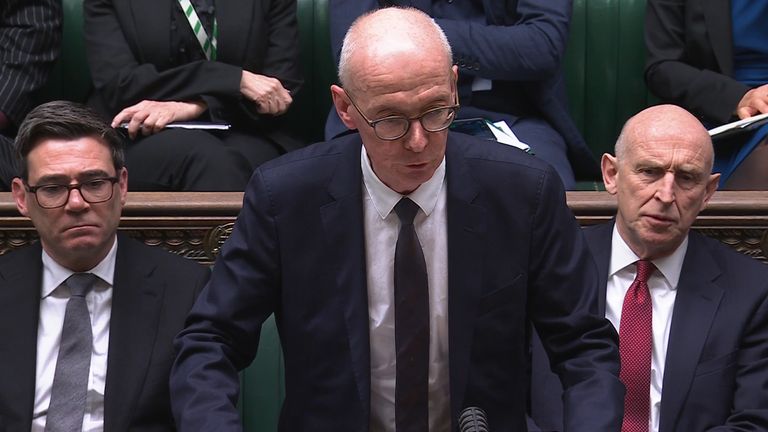
McFadden announced the government’s response in the House of Commons on Tuesday, November 17, following the publication of Milburn’s 278-page report titled From a Welfare State to a Working State: A New Settlement for the Next Generation.
The report proposes a comprehensive overhaul of the UK’s youth employment and welfare support systems, targeting nearly one million young people currently outside education, employment or training.
Milburn’s recommendations aim to get an additional 440,000 young people into work by 2036, reduce welfare dependency and expand access to apprenticeships, vocational training and employment opportunities.
Government Announces New Youth Opportunities Unit
Addressing MPs, McFadden announced that the government would establish a Youth Opportunities Unit that would report directly to the Prime Minister.
He said tackling youth unemployment would require coordinated action across government departments, including education, health and employment.
The minister also confirmed that the government would adapt its existing Jobs Guarantee programme to make six-month employment opportunities available to young people after 12 months on Universal Credit, instead of the current 18-month waiting period.
McFadden said the government would publish a white paper in the new year, followed by legislation to implement the proposed reforms.
Government Backs Legal Guarantees for Young People
McFadden also expressed support for two major recommendations in Milburn’s report: the Opportunity Guarantee and the Support Guarantee.
The Opportunity Guarantee would establish a legal right for young people to access employment or training opportunities, while the Support Guarantee would provide legal entitlements to health and practical assistance.
He said the government also supported a more personalised approach that would bring employment, education, skills development and healthcare services together around individual young people.
According to McFadden, support should be delivered locally to ensure that young people receive assistance suited to their circumstances.
He added that young people capable of participating in available programmes would be expected to take up the support offered.
What Milburn’s Report Proposes
Milburn’s report outlines several measures aimed at reducing the number of young people who are not in education, employment or training.
Among its major recommendations are:
- £500 million initial investment: The government is urged to invest £500 million in the first year to create employment opportunities and improve support services.
- Employer incentives: Businesses would receive £3,000 for hiring an eligible young person for at least six months, increasing to £5,000 for employing a care leaver or disabled young person.
- Pre-apprenticeship opportunities: The programme would begin with 25,000 places for under-25s, increasing to 270,000 by 2036.
- Government-funded employment: Young people who have been NEET for 12 months would be guaranteed six months of government-funded employment, working 25 hours weekly at minimum wage.
- Youth Opportunity Service: A dedicated service would be established in every area of England to help young people access employment, training and other support.
- Public sector recruitment: Public sector organisations would be encouraged to employ more young people, with the civil service expected to double its recruitment of young people by 2032.
- Changes to employer National Insurance: Contributions would be reduced for employers hiring workers aged 21 to 24 in the hospitality and retail sectors for five years.
The report also proposes changes to the welfare system, including new benefit arrangements for young people and improved access to mental health support.
Report Targets 440,000 Additional Young People in Employment
According to Milburn, implementing the recommendations could reduce the UK’s NEET rate to 6.8 per cent by 2036, compared with a projected 13.8 per cent if no major reforms are introduced.
The proposed measures could also increase participation in further education, with an estimated 150,000 additional people aged 18 to 24 entering further education.
Milburn’s projections suggest that the reforms could add 0.4 per cent to the UK’s Gross Domestic Product (GDP) annually by the end of the decade.
He estimates that the proposals would generate cumulative welfare savings of £13.7 billion by 2036/37, alongside an estimated £2.4 billion in additional annual tax revenue.
Although the annual investment would rise to £5.8 billion by 2036, Milburn argues that the savings and additional tax revenue would offset the costs.
He said he was unapologetic about recommending increased public spending to help young people build successful working lives rather than remain dependent on welfare benefits.
Conservatives Question Government’s Employment Policies
The report has attracted criticism from the opposition, with Shadow Work and Pensions Secretary Helen Whately accusing the government of overlooking some of Milburn’s criticisms of its economic policies.
Whately pointed to the increase in employer National Insurance contributions and the Employment Rights Act, arguing that the policies had made it more difficult for businesses to recruit young workers.
She also questioned the government’s commitment to the financial reforms proposed in the report, suggesting that its recommendations involved significant public spending and an expanded role for government.
Responding, McFadden challenged the Conservatives’ criticism, highlighting what he described as contradictions in their position on the report’s recommendations.
SNP Questions Causes of Youth Unemployment
During the Commons debate, SNP MP Lara Bird argued that the report did not adequately address the government’s economic record.
She attributed rising youth unemployment to factors including higher employer taxes and a decline in available job vacancies, rather than a lack of motivation among young people.
McFadden rejected the suggestion that unemployed young people were lazy or unwilling to work, insisting that the government recognised their potential and wanted to provide better opportunities.
He said tackling youth unemployment required action across the United Kingdom rather than isolated interventions in individual regions.
Milburn Calls for Transition From Welfare State to Working State
Presenting his findings, Milburn argued that Britain’s traditional welfare system needed to evolve to address the challenges facing younger generations.
He described the welfare state as one of the country’s greatest post-war achievements but said it must now place greater emphasis on creating opportunities alongside providing financial security.
According to him, the government must invest earlier in young people rather than continue spending billions addressing the consequences of long-term unemployment and economic inactivity.
He also called for greater involvement from employers, local authorities, public services and educational institutions.
The government is expected to publish its white paper in the new year, setting out further details of its proposed approach before introducing legislation to Parliament.