Rohingya latest: UK summons Myanmar diplomat after landmark genocide ruling
-
by
Raphael Afesomu
- No Comments on Rohingya latest: UK summons Myanmar diplomat after landmark genocide ruling
19th November, 2026 | News
Myanmar Found Guilty of Genocide Against Rohingya Muslims in Landmark UN Court Ruling
The International Court of Justice (ICJ), the United Nations’ highest court, has ruled that Myanmar committed genocide against the Rohingya Muslim minority, marking a historic moment in international law and a significant step towards justice for victims and survivors.
In a landmark judgment delivered on Thursday, November 19, 2026, the court found Myanmar responsible for violating its obligations under the 1948 Genocide Convention through its treatment of the Rohingya population in northern Rakhine State.
The ruling makes Myanmar the first state to be found responsible for genocide by the International Court of Justice.
Presiding over the case, Judge Yuji Iwasawa announced that the decision was reached by a 9-6 majority, concluding that Myanmar had committed genocide against the Rohingya community.
The judgment follows a seven-year legal battle over allegations of atrocities committed against the minority group, particularly during the Myanmar military’s 2017 crackdown.
UN and International Community React to Myanmar Genocide Ruling
United Nations Secretary-General Antonio Guterres described the judgment as final and legally binding, stressing that Myanmar is obligated to comply with the court’s decision.
Guterres said the country must investigate and prosecute individuals responsible for the genocide, adding that accountability is essential to ending impunity and achieving lasting peace.
UN human rights chief Volker Turk also welcomed the ruling, describing the suffering inflicted on the Rohingya as a stain on humanity’s conscience.
He called for the judgment to become a turning point for justice and urged that it translate into meaningful action to address ongoing human rights violations in Rakhine State.
UK Summons Myanmar Diplomat Following Court Judgment
The United Kingdom has strongly condemned Myanmar’s treatment of the Rohingya following the ruling.
Foreign Secretary Ed Miliband described the treatment of the minority group by Myanmar’s military regime as horrific and reaffirmed Britain’s determination to pursue accountability.
He also announced plans to summon Myanmar’s chargé d’affaires, Win Zeya Tun, and expel the country’s defence attaché from the UK.
Human Rights Organisations Demand Accountability
Human Rights Watch welcomed the judgment, describing it as an important precedent for victims of genocide and other serious international crimes.
The organisation urged Myanmar to comply with the court’s decision, end its oppression of the Rohingya and ensure that refugees can return safely and voluntarily.
Amnesty International also described the ruling as a historic recognition of the atrocities suffered by the Rohingya after years of denial and suppression of the truth.
Its Secretary-General, Agnes Callamard, called on governments to prevent the transfer of weapons, military equipment and security assistance to Myanmar.
Possible Implications for Israel’s Gaza Genocide Case
The ICJ’s decision is also expected to have implications beyond Myanmar, particularly for South Africa’s separate genocide case against Israel over the war in Gaza.
Legal observers believe the court’s findings could influence how similar allegations are examined under international law.
In its ruling against Myanmar, the court rejected the argument that the killing of thousands of civilians was merely a consequence of a counter-terrorism operation, concluding that genocide was the only reasonable inference from the country’s actions.
However, Israel and Myanmar have both denied allegations of genocide, maintaining that their military operations were legitimate responses to attacks by armed groups.
Questions Remain Over Justice for Rohingya Victims
Despite the historic judgment, questions remain about how the ruling will be enforced and whether those responsible will face prosecution.
Myanmar is currently governed by an army-backed administration led by Min Aung Hlaing, who was in charge of the country’s armed forces during the 2017 crackdown.
The ICJ’s ruling represents a major legal development, but securing justice for the Rohingya will depend on whether Myanmar complies with its international obligations and whether meaningful accountability measures follow.
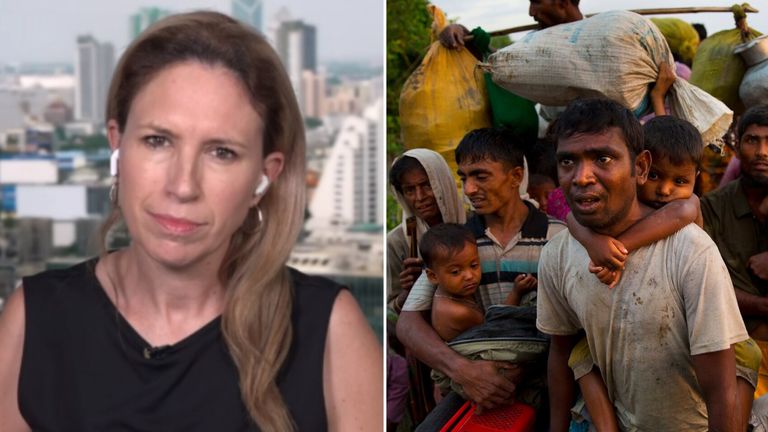
For the Rohingya community, many of whom remain displaced in refugee camps in Bangladesh, the judgment offers an important recognition of years of persecution and suffering.