
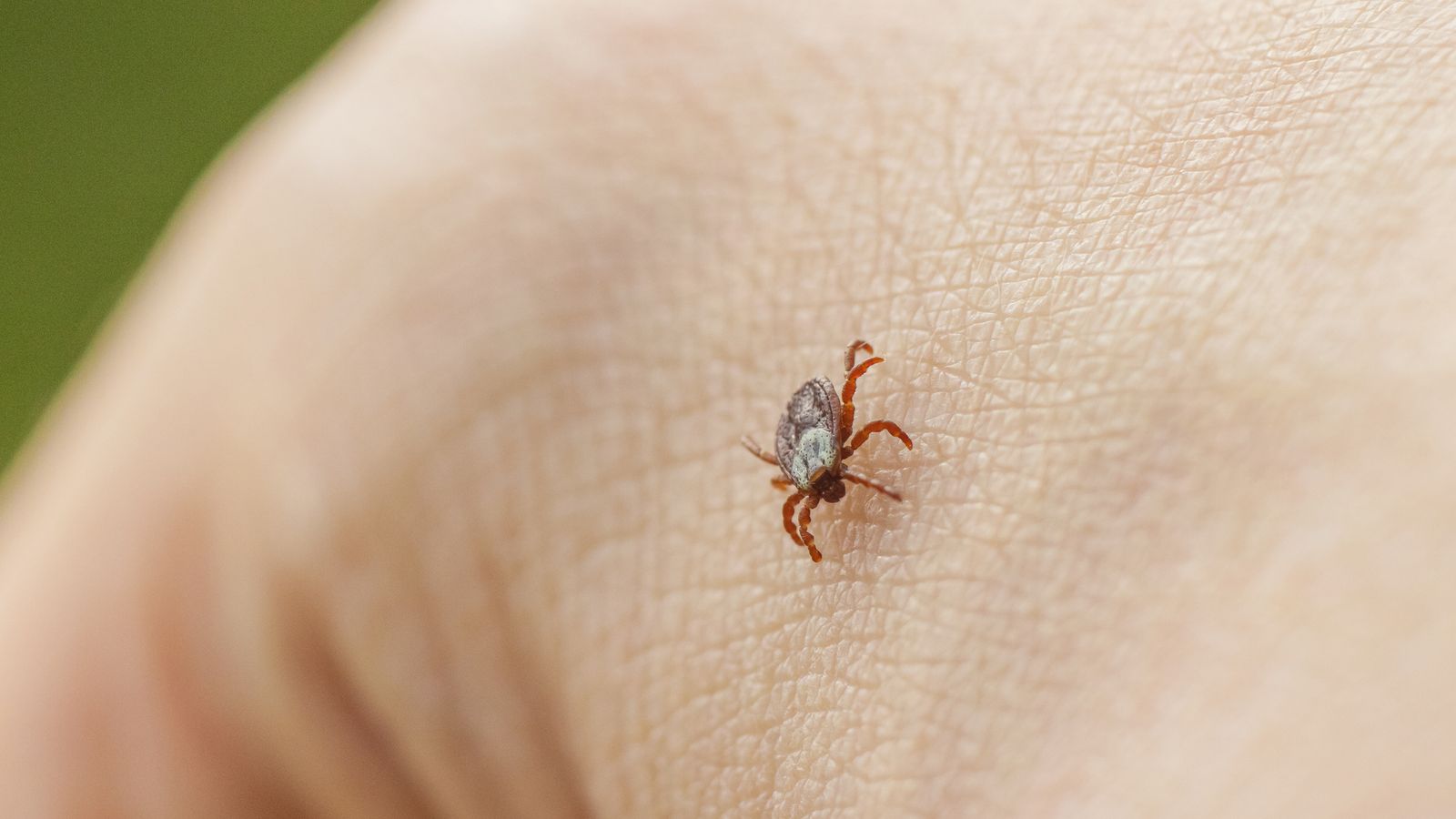
Ticks carrying life-threatening virus living longer in UK due to heatwaves, expert warns
-
by
Raphael Afesomu
- No Comments on Ticks carrying life-threatening virus living longer in UK due to heatwaves, expert warns
3rd October, 2026 | News
Hyalomma Ticks Surviving Longer in UK as Heatwaves Become More Frequent, Expert Warns
Hyalomma ticks capable of transmitting the potentially deadly Crimean-Congo haemorrhagic fever virus are surviving for longer in the UK as heatwaves become more frequent, according to a medical entomology expert.
The ticks are known to arrive in Britain after attaching themselves to migratory birds travelling from parts of the Mediterranean and Africa.
Dr Jolyon Medlock, head of medical entomology at the UK Health Security Agency, said warmer conditions could allow some Hyalomma ticks to develop further through their life cycle after arriving in the UK.
He said records of adult Hyalomma ticks had been uncommon, with fewer than five such records reported over roughly the past decade, but added that similar developments were increasingly being observed by experts across northern Europe.
Warmer UK Weather Could Affect Tick Activity
Hyalomma nymphs have been recorded on migratory birds in the UK over the past 50 years. However, cooler British weather has generally made it difficult for the ticks to survive and progress to later stages of their life cycle.
According to Dr Medlock, heatwave years could change that pattern by creating conditions that allow some ticks to moult into adulthood.
He stressed, however, that the presence of adult Hyalomma ticks does not automatically mean they will survive long-term or pose an infection risk.
Hyalomma Ticks and Crimean-Congo Haemorrhagic Fever
Hyalomma ticks are the main transmitters of Crimean-Congo haemorrhagic fever, a serious tick-borne viral disease.
The World Health Organisation says symptoms can include fever, dizziness and nausea, while severely ill patients can develop serious complications involving the kidneys and liver.
The virus has an incubation period of between one and nine days and can also spread through contact with infected animal blood or tissues.
Dr Medlock said Crimean-Congo haemorrhagic fever is found in parts of the Balkans and has also begun emerging in Spain, highlighting the potential connection between climate conditions and the spread of some tick-borne diseases.
Mild Winters Could Extend Tick Season
Experts are also monitoring how milder winters and hotter summers could change the seasonal activity of ticks in the UK.
Dr Medlock said mild winter conditions could allow ticks to remain active for longer periods.
While around 7°C is generally regarded as a critical temperature for tick activity, he said ticks had been observed active at temperatures as low as 3°C.
The developments are being monitored through tick surveillance as health authorities assess how changing weather patterns could affect the distribution and activity of ticks in the UK.