‘Brutal’ harvest could be worst on record – here’s what it means for UK’s food production
-
by
Raphael Afesomu
- No Comments on ‘Brutal’ harvest could be worst on record – here’s what it means for UK’s food production
05th August, 2026 | News
Britain Faces One of Its Worst Harvests on Record as Drought Threatens Food Security
Britain is heading towards one of its poorest cereal and oilseed harvests on record after months of exceptionally dry weather devastated crops across England and Wales.
New analysis by the Energy and Climate Intelligence Unit (ECIU) projects that total production of barley, oats and oilseed rape—key ingredients for bread, breakfast cereals, beer and livestock feed—will fall to about 19.5 million tonnes this year. If realised, it would be the lowest harvest since official records began in 1984, surpassing the previous record low of 19.8 million tonnes recorded in 2020.
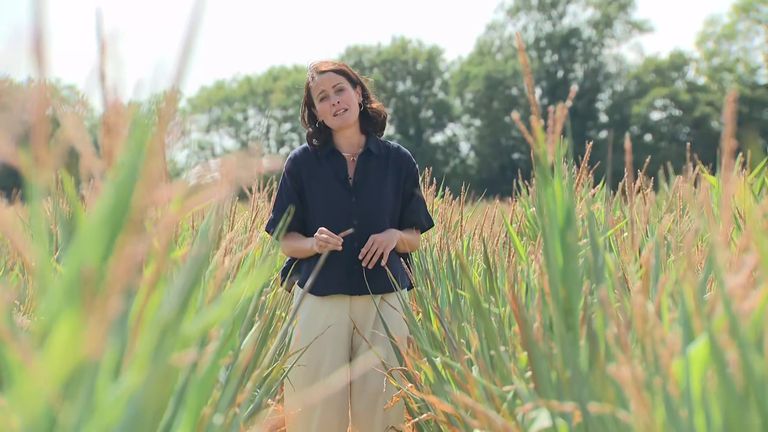
The forecast follows the driest July experienced in England and Wales in at least 190 years, with drought conditions now affecting all of Wales and roughly half of England. Vast stretches of farmland that are normally green have turned dry and yellow as prolonged heat and a lack of rainfall continue to impact agricultural production.
The poor harvest is expected to cost arable farmers an estimated £390 million in lost income. Although oilseed rape production is forecast to perform relatively well, experts warn it will not be enough to offset losses in other major crops.
Even if conditions improve before the end of the season, analysts believe this year’s harvest will still rank among the five worst ever recorded.
The prolonged dry weather has particularly affected wheat, Britain’s most important arable crop. Many farmers have been forced to begin harvesting weeks earlier than usual in an effort to salvage what remains, with some reporting grain sizes significantly smaller than normal.
Preliminary figures from the Agriculture and Horticulture Development Board (AHDB) estimate average wheat yields at just 6.8 tonnes per hectare this year, compared with the 10-year average of 7.9 tonnes.
Agricultural experts say farmers are now facing a third consecutive difficult harvest due to increasingly extreme weather conditions, which they link to the growing impacts of climate change.
Nature Friendly Farming Network Chief Executive Martin Lines described this year’s harvest as “a real kick in the teeth,” noting that even farmers who once questioned climate change are now increasingly concerned about the future of food production.
He also highlighted rising production costs, worsened by global instability and the conflict involving Iran, making planning for next year’s planting season even more difficult.
The worsening agricultural outlook has also reignited concerns over Britain’s food security. The UK currently imports around 40 percent of the food it consumes, prompting experts to warn that greater investment in domestic food production should become part of the country’s national security strategy.
Security analysts caution that future international conflicts could disrupt food imports for months, exposing the country’s heavy reliance on overseas supplies. They argue that strengthening local agriculture is just as important as increasing defence spending.
Climate and security experts also warned that extreme weather driven by climate change now poses one of the greatest long-term threats to national resilience, stressing that a nation’s security depends not only on military strength but also on its ability to feed its population and withstand environmental shocks.