
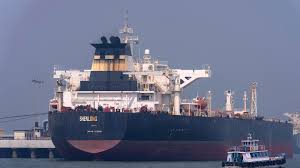
Iran war: UK borrowing cost at its highest since 1998 as oil price shoots up
-
by
Raphael Afesomu
- No Comments on Iran war: UK borrowing cost at its highest since 1998 as oil price shoots up
29th April, 2026 | News
UK Borrowing Costs Hit 28-Year High as Middle East Tensions Send Oil Prices Soaring
LONDON — UK government borrowing costs have surged to levels not seen since the late 1990s as financial markets react to the escalating conflict in the Middle East and the resulting threat to global energy supplies.
On Wednesday, April 29, 2026, the yield on 30-year gilts climbed above 5.7%, its highest point since 1998, during the early years of Tony Blair’s premiership. Simultaneously, 10-year gilt yields reached their highest peak since the 2008 financial crisis.
Energy Crisis and the “Iran War Peak”
The market turbulence is driven by a lack of progress in peace negotiations between the US and Iran, leading to fears of long-term disruption in the Strait of Hormuz—a chokepoint for 20% of the world’s oil and gas.
- Oil Price Surge: Brent Crude for June delivery jumped over 7%, surpassing $119.50 per barrel and setting a new wartime high.
- Prolonged Blockade: Market sentiment soured following reports that President Trump has instructed aides to prepare for a “prolonged blockade” of the Strait rather than a quick resolution.
- Domestic Response: Reports suggest the US administration is meeting with oil executives to discuss boosting domestic production to mitigate the global supply shock.
The Burden on the UK Taxpayer
While global bond markets are under pressure, the UK remains particularly vulnerable. British yields are currently the highest in the G7, reflecting deeper investor anxiety over:
- Sticky Inflation: Price increases were already a concern before the conflict began.
- Public Finances: Higher yields directly increase the cost to the taxpayer for servicing the national debt.
- Economic Outlook: The FTSE 100 closed down 1.2% on Wednesday, as investors braced for a new wave of inflation that is expected to hit food, heating, and household goods.
Central Bank Watch
The Federal Reserve, the Bank of England, and the European Central Bank are all expected to hold emergency assessments over the next 24 hours. While interest rate hikes are not immediately anticipated, policymakers are warning of a significant “inflation wave” that could stall growth across Western economies.
With oil prices climbing and peace efforts stalled, the Chancellor faces mounting pressure to provide state aid even as the cost of government borrowing continues to spiral.